Restaurants Exist Outside Downtown

Downtown restaurants (and downtown, in general) is not doing well. I think we all know that. Office vacancies are way up (and continuing to rise), parking is getting ever more expensive, the homeless situation is little improved, construction (of state buildings) is ongoing and, of course, restaurants are closing.

I understand the city is in a tough spot. Prior councils spent and committed too lavishly and this budget hole has been looming for years and parking revenue is an easy lever to pull. Construction is annoying, but when done, these new buildings should help support both tourism and more desirable work environs. The homeless situation has proven intractable for most cities and of the options available and we certainly do not want to force the homeless into more residential neighborhoods.

Which brings us to something that has moved into Sacramento’s neighborhoods. Something I would submit is not an entirely undesirable trend.

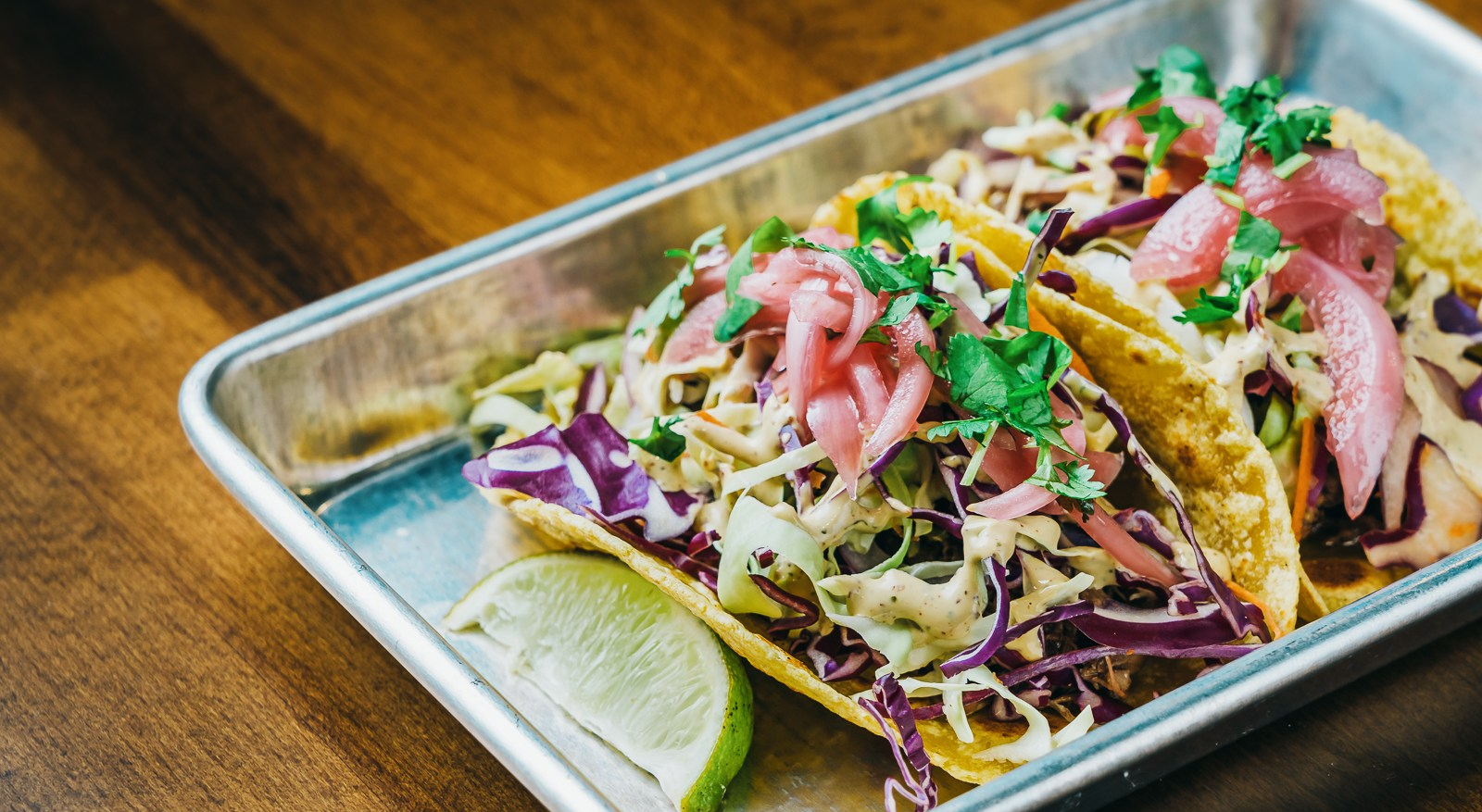
Delicious food from Mulvaney's in Midtown.

Downtown restaurants have struggled, there is no question. By the end of 2024, spending at downtown restaurants (defined as those in the 95814 zip code) had just recovered to the levels they were at in 2019Q4, prior to COVID-19’s onset. This is before accounting for inflation. In real terms, spending remains down by 23% over that period.

Delicious food from Bodega in the Pocket-Greenhaven neighborhood.

But, despite the numerous doom and gloom headlines focusing on closures, restaurant spending in Sacramento is actually up. Since 2019 Q4, restaurant spending across Sacramento has grown by 28% (~4% after inflation). The other central city neighborhoods are doing fine, up 26% (~2% after inflation). But the real stars are … everywhere else. Our friends and neighbors took the slogan “Dine Local” very seriously. The neighborhoods were we live are, increasingly, where we are choosing to dine as well. In the rest of Sacramento, restaurant spending is up 43% (~16% after inflation). That is a headline we should be celebrating. Our neighborhood restaurants, overall, are doing pretty well.
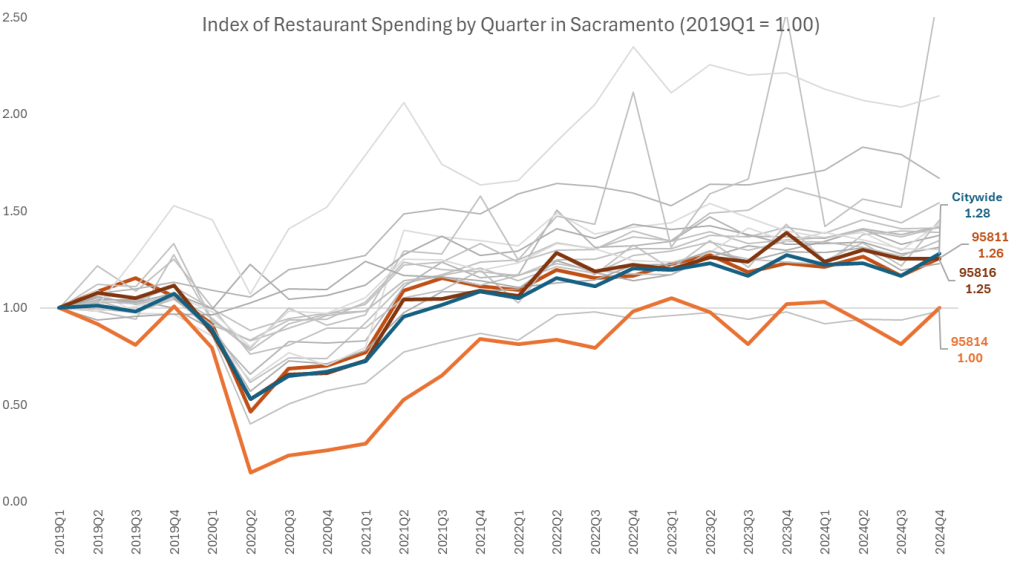
A line chart showing indexed restaurant spending in California, highlighting Citywide (1.28), 95811 (1.26), 95816 (1.25), and 95814 (1.00)

Sacramento has always been celebrated as a “city of neighborhoods” and essentially all of our neighborhoods have seen real growth. Oak Park (95817) restaurant spending has more than doubled. Meadowview (95832) spending is up 67%. Natomas (95833, 95834, 95835, 95838) spending is up 63%. East Sac (95819) is up 54%. Land Park (95818,95822) is up 39%. My beloved Pocket neighborhood (95831) is up 35%.

Delicious food from Revolution Wines in the Midtown neighborhood.

Downtown is important and the city should continue to find ways to make our central city a place where people want to be, a place people want to visit, a place people want to dine, a place people want to play, and yes, a place people want to work. But forcing people to leave their families, spend their time in traffic, their money on parking (and childcare), and their sanity on the unfortunate state of downtown’s current reality is not going to help downtown’s image and it’s not going to generate good will, good vibes, or extra cash to spend on non-necessities. Non-necessities like dining out, whether downtown or in our neighborhoods.

If we squeeze our workers, we will squeeze our restaurants too, both the ones that are struggling and the ones that are succeeding in today’s new normal.
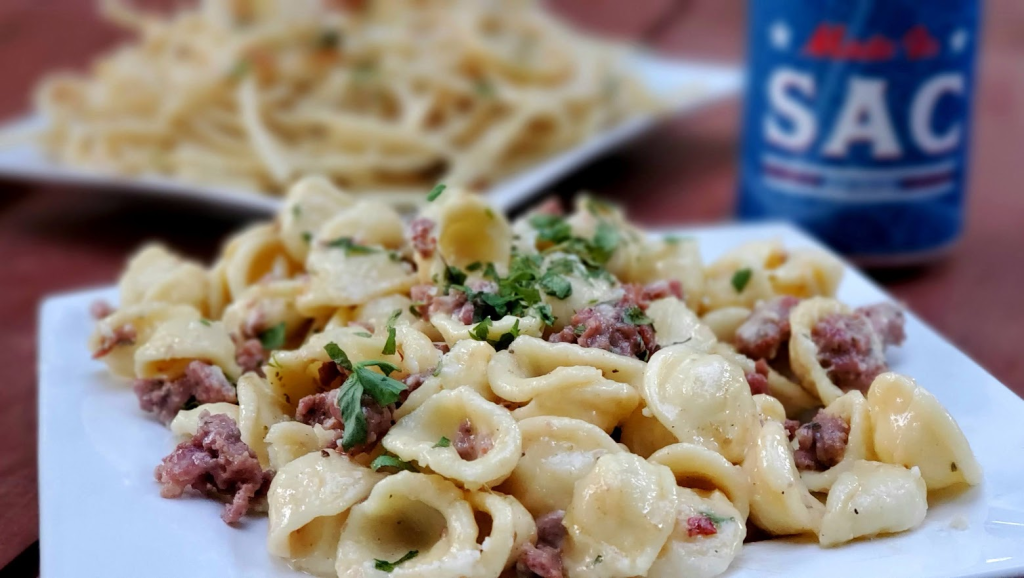
Delicious food from Cacio in the Pocket-Greenhaven neighborhood.

Data provided by the City of Sacramento, with my thanks.

Hella yummy food beckons at New Helvetia Brewing, new home to Jim Denny's on Broadway

Sacramento’s Police Review Commission Has Spoken, But Are We Listening?

Sacramento has found itself in the spotlight in recent years after multiple incidents of citizen deaths by law enforcement. 

While the increased prevalence of cell phone camera footage has sparked a national conversation about police brutality and the use of force, names like Stephon Clark and Joseph Mann remind us that these events don’t always happen far from home. Since 2016, there have been 18 officer-involved shootings in Sacramento, all of which were deemed justified.

These incidents sparked some changes to the Sacramento Police Department, including requiring body cameras to be worn and footage of officer-involved shootings to be released within 30 days, as well as appointing an Inspector General to review shootings. 

This, along with the decision to create an Office of Community Response that will help field 911 calls and ensure law enforcement is only utilized when necessary, is helping to transform how Sacramento addresses public safety. Such changes have shown success in reducing adverse outcomes for communities of color and those struggling with their mental health. I recommend reading this recent in depth reporting on the topic.

The city also chose to move the Office of Public Safety Accountability directly under the City Council and establish the Sacramento Community Police Review Commission to provide recommendations on improving everything from interactions with the public to increasing diversity within its ranks. 

However, many advocates believe more reforms are necessary to begin rebuilding trust.

This makes sense considering members of the commission have spent significant time and energy reviewing hundreds of pages of material, listening to experts, and crafting specific and well-researched recommendations — only to have many still left unimplemented.

To their credit, the Sacramento Police Department has decided to change some policies, including banning the use of choke holds, changing procedures related to shooting at moving vehicles, and requiring police officers to render medical care as soon as possible.

Still, many recommendations are still waiting to be put into action. Some of these include requiring data collection and reporting on all “Use of Force” incidents, using force only as a last resort when all other reasonable alternatives have been exhausted, and requiring drug and alcohol testing of officers after an incident.

Mario Guerrero, chair of the Sacramento Police Review Commission, expressed at a recent meeting that he will be pushing hard for the City Council to take a formal vote on this issue. “We expect that our recommendations be taken seriously and be given a vote,” said Guerrero.

While most of the commission’s work has centered around changing the department’s Use of Force policies, another area of focus includes incentivizing a more diverse police force. Notably, they recommend creating long-term strategies to encourage hiring of more Black and Indeginous residents, women, and members of the LGBTQ community. New research suggests that increasing diversity in law enforcement can lead to better outcomes for communities of color and may help rebuild trust in neighborhoods that have been historically overpoliced.

This is a crucial moment for Sacramento to make meaningful change.

We have the opportunity to lead with compassion and make sure we prioritize public safety for everyone. If this city is serious about real reform and respecting the labor done by its own Police Review Commission, it’s recommendations should be taken into consideration and adopted as soon as possible. Otherwise, what was the point?

We can’t wait for another death to do the right thing.

You can read an overview of the Commission’s recommendations here.

Note: The Sacramento City Council will be considering these recommendations on April 13th at 2 PM.

Support your favorite restaurants … please!

_DSC6426

Restaurants are a critical part of our economy. They employ about one in every fourteen adults … or at least they did until a couple weeks ago. They have long been the main source of flexible employment for students, entrepreneurs and those chasing the dream (and they provide that flexibility while abiding by wage and employment law).

More than being a critical part of our economy, they are a critical part of our communities. They add that unique flavor to our neighborhoods, giving places for friends to gather and families to relax. They’re the background and infrastructure behind so many of our most treasured memories. Where did you go on your first date with your spouse or partner? I bet it was a restaurant and let’s go double or nothing that you remember which one. Which local spot makes that special something to cure your case of the Mondays? Where do you always bring guests from out of town? What was your family’s go-to restaurant when you were young? Which one goes the extra mile to keep your kids comfortable now that you’re not?

Restaurants provide us with so much joy, so much community and, yes, so much food. But they do it on the thinnest margins, typically 3-5%. That means it’s rarely an opportunity to create more than middle class income for the typical owner/operator and that there is little ability to set funds aside for a rainy day. That is why restaurants are always what we worry most about when rents increase or minimum wages increase. That is why so many restaurants closed their doors during the recession.

As of today, the county guidelines allow restaurants to stay open for takeout and delivery, at some point this may change.

When restaurants close the reality is, many of them will never open again.

All of them have rent to pay, many had to finance their equipment. Making those payments, with little or no revenue coming in – as passionate they may be about their food and their community – as much joy as they take in sharing their craft with us – as heartbreaking as it may be to them – those payments are going to be really hard to make. Could you do that, for months on end, with no promise on when – or if – the situation will improve?

Not everyone can reasonably go out of their homes. Not everyone can afford to eat out. But if you can:

Please, please, please, do whatever you can to support the restaurants you care about.

One of my local favorites, Riverside Sports Bar, has already closed their doors. If I ate my last Whiskey Burger without knowing it, that would be really sad, and more importantly, something missing from our community.

_DSC6452.jpg

Tonight I’ll be headed to Device. Our brand new community restaurant and taproom that Ken and Melissa have worked so hard to get open, investing so much to create a really special space for our community. I’m not sure what I’ll be ordering yet the Pride of the Pocket Burger, Philly Cheese Steak, Beer Brat & Braised Short Rib Tacos are all calling my name. Ooh, and that Ginger Slaw. Dang, I’m getting hungry and they don’t open until three! Menu & Delivery

_DSC5756.jpg

20200319_193638Last night we enjoyed an amazing meal from Cacio, where husband and wife pair Jonathan and Katie, wanted to bring their top notch Italian food (seriously, it’s worth a trip) to their local neighborhood. The daily special braised bone-in pork belly chop was a rich, hearty treat (and the bone didn’t even fit in the box!) and the Torchio e Granchio (crab pasta) was bright, spicy and delicious! Menu (order by phone)

20200319_192202.jpg

20200318_170023The night before we had takeout from A Taste Above, a great local café that makes our favorite sandwich, a really great banh mi. Rich and Ray have worked so hard to listen to the community and over the last couple years developed a really extensive and tasty vegetarian menu as well! Menu & Delivery

20200318_171611

Really, truly. If you can, please support our local restaurants. Social distancing is going to end. How sad will we be if we can’t celebrate at our favorite restaurants when it does?

While you’re at it, stock up on great local craft beer from Device, New Helvetia or your favorite local brewery or a favorite local winery like Revolution.

Look Who’s Brewing in 2018

SacramentoCans

Our Look Who’s Brewing series continues, following Look Who’s Brewing Too, Look Who’s Brewing Now, we run out of 80s movie references and simply content ourselves with adding a helpful date to the title.

Some argue that “crafty beer is dying,” which even when you break his argument to its most basic premise is preposterous. The author points to Sierra Nevada (and others) reinventing beer — but in doing so they also created the blueprint that virtually all craft breweries followed for the next couple of decades. Lagunitas, Stone and others then pulled craft brewing away from pale to its hopped up cousin with the success of their IPA offerings and soon that became the defining style of craft brewing. While there are many jokes about IPAs dominating tap lists, the truth is this one style alone offers a wider range of flavors (traditional west coast, east coast, north east hazys, hybrids among them, English, session, double, triple, black, red, white, wet-hopped,dry-hopped, milkshake, fruited, fooded, even cheesed for some inexplicable reason, as well as countless other varieties and more being invented everyday) than did the brewpubs of yesteryear. This combined with perhaps an even wider range of stouts and sours (each of which double up the basic range of concepts IPAs tread with the limitless possibilities of barrel aging) leads to more variety than most craft fans could enjoy in a lifetime.

Little by little, brewers are even seeing their long frustrated dream become a reality and being able to brew (and sell) lagers with flavor. The good folks at Boston Brewing getting in on it proves that this idea is very much hitting the mainstream:

I can taste my beer

Yes, tasting your beer is a very good thing!

And the data proves that, in California at least, beer drinkers are developing better and better taste. Statewide, output from independent breweries increased by 6 percent, with the Sacramento region’s breweries production surging forward by 22 percent. Sacramento’s increase was led by New Glory and Device, who each approximately doubled their output from 2017. Urban Roots and Moksa made impressive debuts, each topping 30 thousand gallons in their first year. Meanwhile, Knee Deep’s percentage growth may not compare, but the region’s biggest brewer continues to grow and widened its lead on every brewery except New Glory. 

Looks Who's Brewing 2018

Click on the image to explore the interactive.

While craft brewing continues to grow, America’s macro breweries remain in slow decline. I suppose it’s clear Whazzuuuup with Budweiser’s Attack on Sacramento Brewing. Though that doesn’t seem to be going so well … I guess we’ll just have to content ourselves with drinking beer with flavor in the meantime.

Or, better yet, let’s say, congratulations, Sacramento, we have good taste in beer.

Making Work Work with Affordable Childcare

Parenting is hard. It is the most amazing, rewarding experience I have ever had. But it’s also really hard. My little dudes need their parents to feed them, clean them and take care of every other need in their lives. They also need us to entertain them, read them, play with them. And the messes.  Let’s not forget about cleaning up their messes. 

Not only do they need us to cook, clean, entertain and generally keep them from doing something catastrophic for the 12-14 hours a day they are awake, they also need us to pay all of their expenses. Food, diapers, wipes, books, toys, clothes (which they will either ruin the first time they wear or  outgrow within three months), housing, healthcare, entertainment. It adds up. For most of us, the need to pay those expenses means we need to work and, for most families, both parents need to work to get by. That, of course, adds another major expense. 

Childcare is hard to come by, with 60% of Californians living in childcare deserts. After our oldest son was born, we struggled to find a high quality, even remotely affordable option that did not require a six month or even year long waitlist. We’re not alone, half of American parents report having difficulty or being unable to find childcare and, not surprisingly, it is particularly difficult for parents with financial challenges.

But most of all, childcare is expensive. For most families, it is simply unaffordable. In 2017, Childcare Aware found that the average cost of childcare in California was $16,542 annually, well beyond HHS guidelines for affordability for nearly all families. EPI estimates that just 28.5% of California families can afford childcare. Moreover, childcare cost is the top reason parents have fewer children than they would ideally like and the top financial reason others choose not to have children at all. As a result, 2018 saw a record low birthrate

As a result, for many families, most of the earnings of a second working parent will go to taxes and childcare, bringing home only an extra few thousand dollars a year. To help illustrate this reality, I developed an interactive calculator (click on the image to pull up the interactive). By adjusting the variables (household income, price of childcare, number of children) you can compare earnings to childcare expenses to see how much a family would have to earn to break even after paying for childcare: 

MakingWorkWork

In the example provided as a default, the second working parent needs to earn nearly $40,000 to just break-even after paying for childcare and taxes. At a $40,000 income, that parent brings home a net of just $1.52 per hour. Now do not get me wrong — that $250 a month is critical for many families who are struggling to get by – but it also amounts to just 1/8 of California’s minimum wage.

Perhaps this example seems exaggerated to some. $1,200 per child per month does sound expensive. Yet nationwide, the average childcare provider costs more than $1,200 per month and this is just a fraction of what families pay in California. Does $40,000 income and $50,000 for the spouse seem high? That is 25% more than California’s median household. The reality is these default setting are relatively conservative. While data on childcare is notoriously bad, it is very likely most families with young children experience a more challenging financial reality than this.

Worse yet, the alternative often keeps women out of the workforce, limiting their families’ economic potential. It also expands the gender pay gap as those women lose important years developing skills and earning experience in their careers. By losing their productivity, it slows economic growth. Childcare also improves parents’ perceptions of their children’s wellbeing, their own wellbeing and relationships with their children, improves brain development and school readiness and could help end poverty.

As important as childcare is it is also expensive. It is expensive because it is labor intensive. There is no way to get around it. For example:

California’s requires childcare centers to maintain a certain ratio of kids to staff, as low as 1 to 4, depending on the child’s age. To employ one minimum-wage earning provider for 10 hours a day costs $850 per child per month, assuming a 1 to 4 provider-to-child ratio. That does not account for any other provider expenses like the cost of the facility, utilities, insurance, food, supplies, cleaning, overhead expenses, etc, all of which drive tuition fees much higher.

Understanding the real costs involved, it is clear our options are limited. I do not think anyone is arguing for lowering the minimum standards for caring for our children. Similarly, few think that the minimum wage is too high (and many would argue childcare providers are paid too little).

I’m proud that some of the people working hardest to help families pay these bills are friends and fellow Hornets and I’m hopeful leadership here in Sacramento can start to improve the situation. Councilmember Eric Guerra has been advocating forcefully, with his young son Javi in tow. Last night, thanks to his leadership, the council voted to hire a childcare czar to work towards solutions locally. Assemblymember Kevin McCarty’s AB123 recently passed the Assembly and would expand pre-K to cover more 3 and 4 year olds. (And, of course, nationally, nearly every serious presidential candidate has a major childcare proposal … here’s hoping!)

Today funding childcare is largely left to young parents, adding another major expense for young parents, doing their best to make ends meet in an economy that has been unkind to their generation. I don’t think that approach really squares with any of our values — whether we profess to care most about the well-being of children, opportunity for the working class or strengthening the nuclear family — subsidized or free childcare is at the heart of strengthening families, supporting children and making work work for families in every strata of society.

Look Who’s Brewing Now!

20190211_170619

So we at Sacramentality have had a lot going on in the last year or so. Professional successes, new and growing children and oh so many park cleanups. We offer our sincerest apologies to our readers and this brief post highlighting the ongoing growth in Sacramento’s brewing scene. You will surely recall prior articles Look Who’s Brewing and Look Who’s Brewing Too. Here now is the (now not so) latest update featuring 2017 BOE data that published 7 months ago. Whoops.

Without further ado, let’s get to the data and let it speak for itself, except to point out that trend line for nearly all of our top local breweries practically points straight up. It’s a good time to be a craft beer connoisseur in Sacramento. (Click on the image to use the interactive)
Regional Interactive

Who’s paying income taxes in Sacramento?

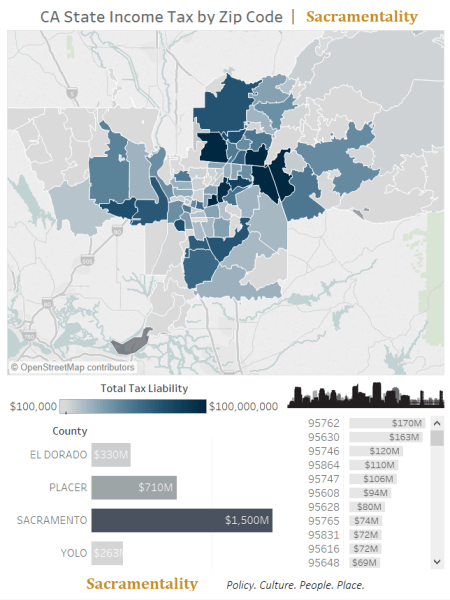
The Los Angeles Times recently published an article pointing out the disproportionate share of state income taxes paid by our millionaire and billionaire friends that can still afford to live in Silicon Valley.  This got me wondering how the map looks here in Sacramento. While our region does pay quite a bit less than the Silicon Valley, the four counties considered do add up to nearly $3 billion dollars. (Caveat: this data is based on zip codes, which do not perfectly align to geopolitical boundaries, so modest variation may exist)

Sacramentality-CAIncomeTaxbyZip2017DMLThe top taxpayers in our region are concentrated in El Dorado Hills ($170 million), Folsom ($163 million) and Granite Bay ($120 million). Granite Bay tops the region in effective tax rate, paying 7.4% of Adjusted Gross Income in state income tax. El Dorado Hills pays 6.1% and Folsom, a “relatively paltry” 5.0%.

Among zip codes with a significant population, Arden’s 95864 pays the second highest effective tax rate at 7.3%. It is nestled in just behind Granite Bay in total tax payments at $110 million. Neighboring Carmichael (95608) and Fair Oaks (95628) rank sixth and seventh in total tax payments — and we see a clear concentration of wealth emerging in these river and lake adjacent suburbs.

Within the City of Sacramento, my own 95831, primarily encompassing the Pocket-Greenhaven neighborhood, is the top tax-contributing zip code, topping $72 million in 2017. Several core zip codes do pay higher effective tax rates, but have fewer taxpayers.

Enjoy playing with the data visualization — hover over zip codes in the map to get the full details — and let me know any takeaways you notice in the comments!

Sacramentality-CAIncomeTaxbyZip2017DML


Comic Book Ban Update!

Comic Ban 2.pngA few weeks ago, I published a post on old and odd Sacramento laws that, decades later, are still technically on the books. One of the most surprising was a 1949 ban — never repealed — on selling crime-fighting comic books to minors.

Well, last Tuesday Councilmember Hansen asked the Law and Legislation Committee to review this provision of the Municipal Code for potential clean-up, which bodes well for young comic book lovers across our city.

The story was picked up in a great little piece by CBS 13 News, and features your own humble editor — check it out here!


Rent Is Too Damn High in Sacramento

I don’t think there are many who would argue that Sacramento has not been hit hard by a statewide housing crisis. Indeed, the city had the third-highest overall rental increase in the nation in 2017 – and that has not gone unnoticed by its citizens. Unaffordable rents, compounded with stagnant and eroding wages and overwhelming student loan debt, among other factors, have left people of all ages (particularly young people) screwed…for lack of a better term.

adult blur books close up

They’re pissed and ready to do something about it, too.

At the state level, one such effort is a ballot measure that will be voted on in November. If passed, the initiative would overturn the Costa Hawkins Rental Housing Act, passed in 1995. The law essentially makes it difficult for cities and counties to enact rent control policies in the state. While for some the jury is still out on whether or not rent control makes a meaningful impact for renters in the long-term, it is a clear sign that renters are ready for relief now.

There is also an effort at the local level in Sacramento called the Sacramento Renter Protection and Community Stabilization Charter Amendment. Pushed by a coalition of tenant rights organizations called Housing 4 Sacramento, as well as Organize Sacramento, this measure would, among other things, provide financial support for renters who are displaced, limit what landlords can evict tenants for, and cap rent hike percentages per year. Mayor Steinberg has openly opposed the rent control initiative, but has proposed his own plan which includes raising the sales tax a full cent, creating a rent stabilization fund for displaced renters, and encouraging more development.

So, this begs the question of who’s protecting the interests of renters in Sacramento.

There’s the Sacramento Housing Alliance, which according to their website, “advocates for safe, stable, accessible, and affordable homes in the Sacramento region”. The organization’s priorities include fighting for affordable housing for veterans and homeless individuals, as well as advocating for the local rent control effort.

There’s also the Sacramento Housing and Redevelopment Agency, which “was created to ensure the ongoing development of affordable housing and to continuously fuel community redevelopment projects in the city and county of Sacramento”. The organization helps develop and fund affordable housing opportunities and maintains rental assistance programs, among other things.

And then there’s CADA, which develops and maintains affordable housing units for renters in Sacramento. According to their website, they are the largest affordable housing developer in the central city and focus on sustainable, transit-oriented, community-minded dwellings. In many ways, CADA is its own animal in that it “is tasked with meeting challenging government mandates in a business model closely paralleling a private real estate management and development company.” This model includes having at-will rather than civil service employees, maintaining competitive market rate housing to help fund investment into affordable housing, and cultivating public-private partnerships.

Anecdotally, I have heard from many of my peers just how difficult it is to make it onto the CADA waitlist, which apparently has been impacted for years. This is no surprise as the demand for such units has increased dramatically.

Over the years organizations like CADA have faced many challenges, including the dissolution of California’s redevelopment agency, which has led to decreased funding to build and manage projects. Despite the growing demand for affordable housing, they are often left to make difficult financial decisions in order to continue moving forward.

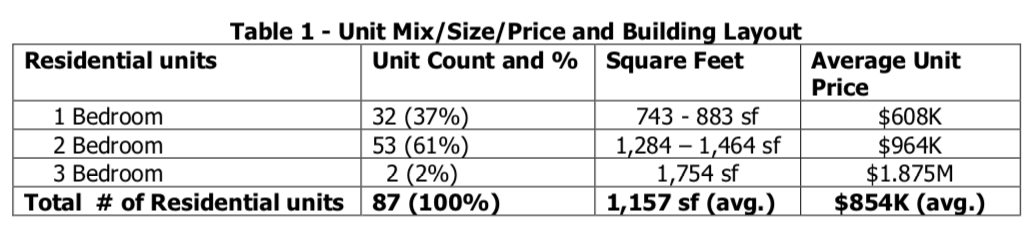
One such decision occurred recently at a July 19th CADA board meeting, where the board voted to sell one of their properties to the development firm Cresleigh Homes. The project on the corner of N & 14th streets will not only displace current tenants within the 30 units to be torn down, it would allow the developer to sell 32 1-bedroom units for $748 per sq. ft. ($608k/avg per unit), 53 2-bedroom units for $443 per sq. ft. ($964k/avg per unit), and two 3-bedroom units for $347 per sq. ft. ($1.875mil per unit).

Screen Shot 2018-07-27 at 11.25.56 AM.png

On its face, such a decision appears to directly contradict the public need by demolishing currently available affordable rental housing in lieu of pricey market-rate homes for sale; however, accordinging to the staff analysis, this will “satisfy CADA’s the long-held strategic goal of providing more home-ownership opportunities in the Capitol Area”. We can only hope the revenues generated from such a deal will eventually provide more affordable rental units for not only those who will be displaced, but those in need who have yet been able to access.

More broadly, it is imperative that state and local governments work together to develop long-term solutions and re-invest in bolstering the housing supply. It is a complex issue that involves the intersection of everything from local zoning ordinances to environmental impact assessments, and of course, finding the money needed to make it happen. I defer to those much smarter than I on the right solutions – but it is clear that the timing is now for the well-being of Sacramento and California as a whole.

We’re in a housing crisis, after all.

Happy 4th of July!

We hope you are having a wonderful time surrounded by family and friends.

We know many of our friends around Sacramento may not be feeling especially patriotic these days, but we choose to celebrate anyway, because as our 18th President (That’s a West Wing reference, you’re welcome.) reminded us:

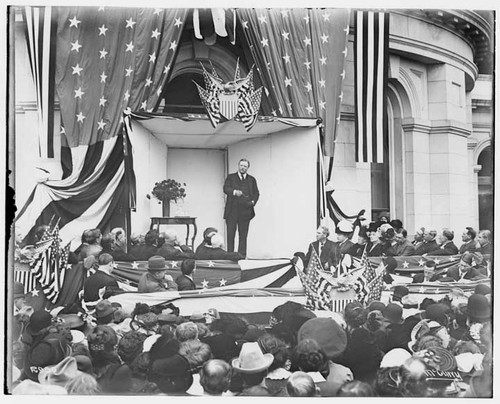
TRSacramento“Patriotism means to stand by the country. It does not mean to stand by the president or any other public official, save exactly to the degree in which he himself stands by the country. It is patriotic to support him insofar as he efficiently serves the country. It is unpatriotic not to oppose him to the exact extent that by inefficiency or otherwise he fails in his duty to stand by the country. In either event, it is unpatriotic not to tell the truth, whether about the president or anyone else.”
― Theodore Roosevelt (Did you know he gave a speech in Sacramento? The Mayor he refers to in the speech was George H. Clark.)

Or as Mark Twain put it:

“Loyalty to country ALWAYS. Loyalty to government, when it deserves it.”

Most important, enjoy your celebrations safely:

385158b2-5c45-4e5a-b3f0-04bf701f7851.jpg